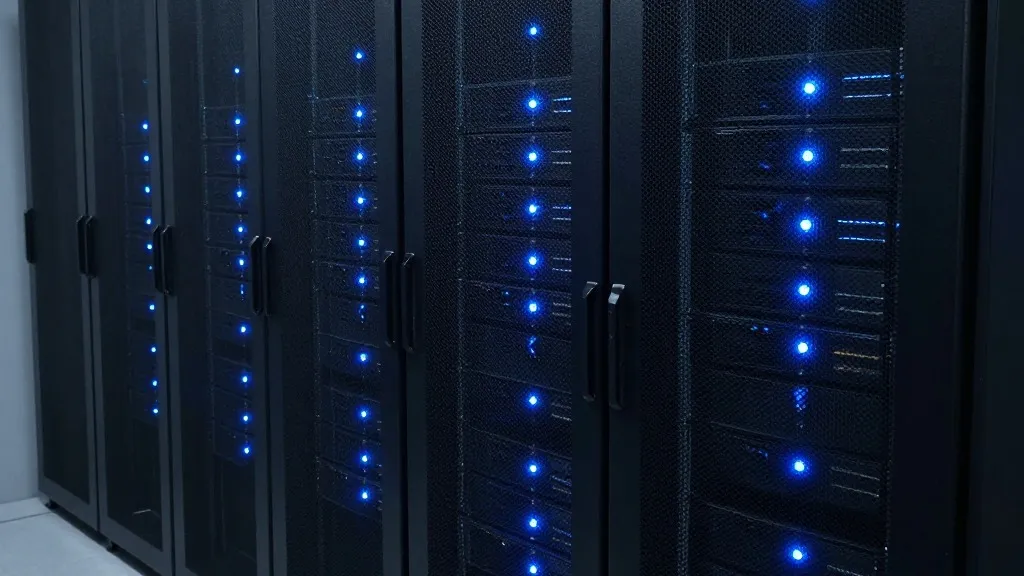
Amazon Swaps Four Loudoun Data Centers for 122-Acre Residential Plan
Following intense local opposition, the tech giant will convert a former university campus into mixed-use housing and donate land for community facilities instead of building new AI infrastructure.
By Andrew Fletcher ·
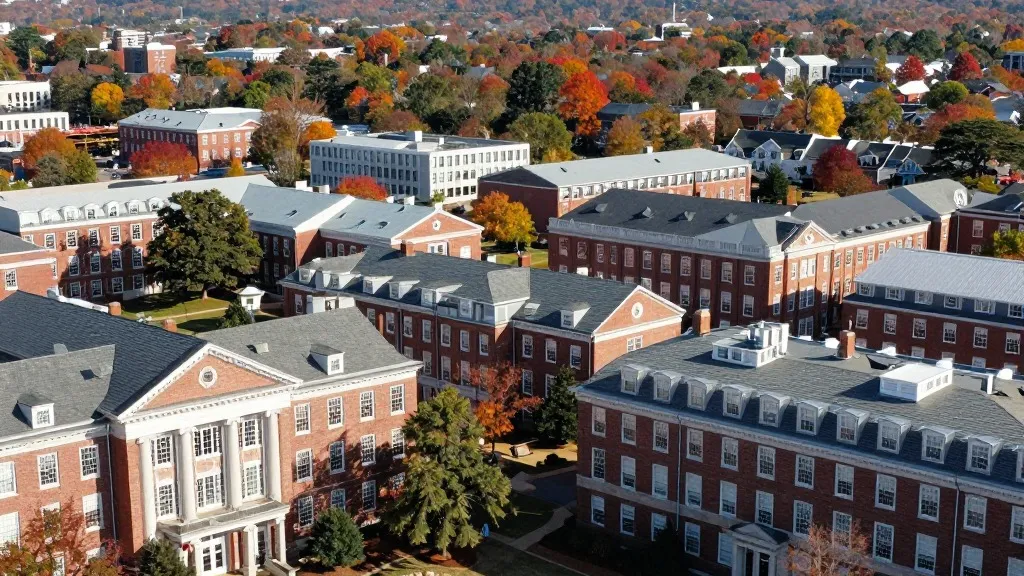
The figure 122 acres stands as the central metric of a significant pivot in corporate land use, marking the total area of the former George Washington University campus in Loudoun County that Amazon has decided to repurpose. Rather than proceeding with the construction of four new data centers on this site, just outside the District of Columbia, the company has agreed to transform the majority of the land into mixed-use and residential development. This decision follows a period of intense scrutiny and pushback from the local community, signaling a shift in how major technology firms approach their physical footprint in densely populated regions.
The financial and physical commitments accompanying this change are substantial. Amazon will donate 25 acres of the property to Loudoun County, earmarking the space for the construction of a community arts center and a new recreational facility. In addition to the land transfer, the company has pledged a $5 million contribution to the county’s housing fund. These terms represent a comprehensive package designed to address local concerns while allowing the company to maintain a presence in the area without the specific infrastructure it originally proposed.
The site in question is located in a region widely referred to as "Data Center Alley," a designation that highlights the county’s status as home to the largest concentration of data centers on the planet. This high density has made the area a focal point for debates over resource consumption. Residents have expressed deep-seated concerns regarding the noise generated by these facilities and the immense quantities of power required to keep them running. These factors have led to a noticeable change in the county’s approach to approving new buildouts, moving from a posture of welcome to one of cautious negotiation.
The timeline of this reversal began in July of this year, when Amazon first submitted its proposal to construct the new facilities. By September, the process had moved from paperwork to personal engagement, with Phyllis J. Randall, the Chair of the Loudoun County Board of Supervisors, meeting directly with Amazon representatives. During these discussions, the county conveyed to the company that it might be strategically and socially preferable to seek an alternative use for the land, setting the stage for the final agreement announced this week.
Josh Weissman, Amazon’s vice president in charge of data center development, acknowledged that the company had initially been eager to purchase the former university campus when the opportunity presented itself. However, he noted that the company took the county’s “pointed concerns about data center development at this particular site” into serious consideration. Weissman explained that while Amazon viewed the property’s legal development potential differently than the county did, the company concluded that “the best outcome for all is to come together on a shared vision for this campus rather than engage in costly litigation.”
This local negotiation occurs against a broader national backdrop where the demand for data centers has surged due to the rapid expansion of artificial intelligence. While new facilities are viewed as necessary to support growing cloud-based services and storage systems, the scale of current AI requirements has pushed demand to new levels. This surge has intensified opposition from local communities, who are wary of the impact these massive facilities have on their surroundings, including significant spikes in electricity prices.
In response to these growing tensions, federal officials have begun taking steps to influence the landscape of data center construction. Just days before this news broke, President Donald Trump called for data center builders and AI hyperscalers to pay a dividend to local communities amidst rising energy costs. In a social media post, the President stated that data centers would be required not only to generate their own electricity but also to give or sell excess energy back to the local community. Other environmental issues, such as water shortages and deforestation, have also become key factors in the debate over where these facilities are placed.
For Loudoun County, the outcome represents a successful exercise in negotiation rather than confrontation. Chair Randall highlighted the benefits of choosing dialogue over what she described as “reflexive disagreement,” stating that the agreement “provides new places for our Loudoun residents to gather, create, and play.” She emphasized that the most important aspect of the deal is the provision of “more attainable homes for working families,” framing the compromise as a win for the local population’s quality of life and housing needs.
Source: Tom's Hardware